
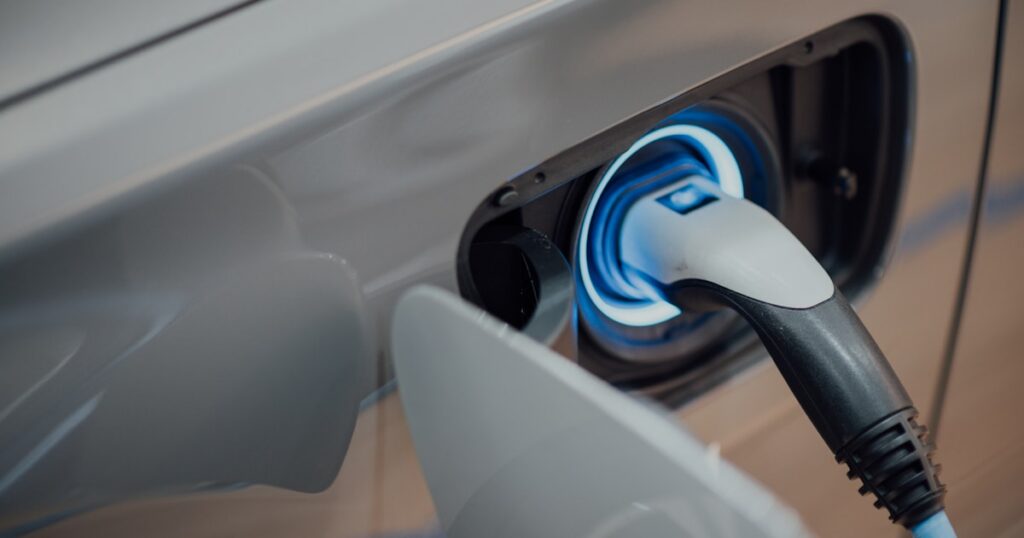
Electric vehicle sales in America hit record numbers again in 2025, and the trend is only accelerating in 2026. According to the U.S. Department of Energy, roughly 80% of all EV charging happens at home. That means your garage or driveway is your most important fueling station.
If you are still plugging into a standard wall outlet, you are leaving convenience and speed on the table. A Level 2 home charger is the sweet spot for most homeowners. It charges your EV 5 to 10 times faster than a regular outlet, and installation is more affordable than you might think.
This guide walks you through everything you need to know about EV charger installation in 2026. We cover electrical requirements, the best chargers on the market, step-by-step installation, costs, tax incentives, and common mistakes to avoid. Whether you drive a Tesla, a Chevy Equinox EV, or a Hyundai Ioniq 6, this guide has you covered.
Level 1 vs. Level 2 vs. Level 3: Understanding the Differences
Before you buy a charger, you need to understand the three levels of EV charging. Each one delivers power at a different speed and requires different electrical infrastructure. Here is a quick comparison.
| Feature | Level 1 | Level 2 | Level 3 (DC Fast) |
|---|---|---|---|
| Voltage | 120V | 240V | 400-900V DC |
| Charging Speed | 3-5 miles/hour | 25-40 miles/hour | 200+ miles/hour |
| Full Charge Time | 40-60 hours | 6-10 hours | 20-60 minutes |
| Best For | PHEVs, emergency | Daily home use | Road trips, commercial |
| Home Installation | Standard outlet | Dedicated 240V circuit | Not practical |
| Typical Cost | $0 (included) | $350-$700 | $20,000-$100,000+ |
Bottom line: Level 2 is the right choice for 95% of homeowners. You plug in when you get home, and your car is fully charged by morning. Level 1 is painfully slow for battery EVs, and Level 3 is designed for commercial stations, not residential use.
Electrical Requirements for Level 2 EV Charger Installation
A Level 2 charger requires a dedicated 240-volt circuit, similar to what powers your clothes dryer or electric range. Before you order a charger, you need to evaluate your home’s electrical system. Here is what to check.
Panel Capacity
Your electrical panel needs enough spare capacity to support a new 240V circuit. Most Level 2 chargers draw between 32 and 48 amps. With the NEC 80% continuous load rule, a 48-amp charger requires a 60-amp breaker.
If your home has a 100-amp panel, adding a 60-amp circuit may not be possible without a panel upgrade. Homes with 200-amp panels typically have enough headroom. An electrician can assess your panel in about 15 minutes.
NEMA 14-50 Outlet vs. Hardwired
You have two connection options. A NEMA 14-50 outlet is a heavy-duty 240V receptacle that lets you plug and unplug the charger. Hardwiring connects the charger directly to your electrical panel through conduit and wire.
NEMA 14-50 is more flexible because you can move or replace the charger easily. Hardwired installations look cleaner and allow higher amperage (some chargers only reach full output when hardwired). Many homeowners choose plug-in for convenience.
Amperage: 32A, 40A, or 48A
Higher amperage means faster charging, but it also means a larger circuit breaker and heavier gauge wire. A 32-amp charger adds roughly 25 miles of range per hour. A 48-amp charger pushes that to about 37 miles per hour.
For most drivers covering 30-50 miles daily, even a 32-amp charger will fully replenish overnight. If you drive 80+ miles a day or have multiple EVs, go with 48 amps. Future-proofing with a higher-amp circuit is usually worth the small extra cost during installation.
Top Level 2 EV Chargers for 2026
We researched and compared dozens of Level 2 chargers available in 2026. These six stand out for reliability, features, and value. All of them are Energy Star certified or meet equivalent efficiency standards, and all use the universal J1772 connector (except the Tesla Wall Connector, which uses NACS).
| Charger | Max Amps | Price | Cord Length | Smart Features | Best For |
|---|---|---|---|---|---|
| ChargePoint Home Flex | 50A | $700 | 23 ft | WiFi, App, Scheduling | Overall pick |
| Emporia Smart Level 2 | 48A | $450 | 24 ft | WiFi, Solar Integration | Best value |
| Grizzl-E Classic | 40A | $400 | 24 ft | None (basic) | Outdoor durability |
| Wallbox Pulsar Plus | 48A | $650 | 25 ft | WiFi, Bluetooth, App | Small garages |
| Tesla Wall Connector | 48A | $475 | 24 ft | WiFi, Tesla App | Tesla owners |
| Lectron V-Box | 40A | $350 | 21 ft | Bluetooth | Budget pick |
1. ChargePoint Home Flex — Best Overall
The ChargePoint Home Flex remains the gold standard for home EV charging in 2026. It delivers up to 50 amps of output (the highest on this list) and can be set to any amperage between 16A and 50A. This makes it one of the most flexible chargers for any home electrical setup.
The ChargePoint app lets you schedule charging during off-peak hours, track energy usage, and set reminders. It is Energy Star certified and works with every J1772-compatible EV. The 23-foot cable is long enough for most garage configurations.
2. Emporia Smart Level 2 — Best Value
The Emporia Smart Level 2 charger delivers 48 amps of charging power at a price that undercuts most competitors by $200 or more. If you already have an Emporia home energy monitor, the integration is seamless.
The standout feature is solar integration. If you have rooftop solar panels, the Emporia system can prioritize solar energy for charging. The app provides detailed energy cost tracking. At $450, this is the best value Level 2 charger on the market right now.
3. Grizzl-E Classic — Best for Outdoor Installation
The Grizzl-E Classic is built in Canada and designed to handle harsh weather. It carries a NEMA 4 rating, meaning it is sealed against rain, snow, sleet, and dust. If your charging setup is outdoors or in an unheated garage, this is your best bet.
At 40 amps, it charges slightly slower than the 48-amp options, but still delivers about 30 miles of range per hour. The build quality is exceptional, with a thick, cold-weather-rated cable. No app or WiFi here — it is a plug-in-and-forget charger for people who want reliability without the extras.
4. Wallbox Pulsar Plus — Best for Small Spaces
The Wallbox Pulsar Plus is the most compact charger on this list. It is roughly the size of a hardcover book, making it ideal for tight garages. Despite its small size, it delivers a full 48 amps when hardwired.
The myWallbox app offers scheduling, energy monitoring, and power-sharing between multiple chargers. If you have two EVs, you can install two Pulsar Plus units and set them to share a single circuit. It also supports dynamic power management to prevent overloading your panel.
5. Tesla Wall Connector — Best for Tesla Owners
The Tesla Wall Connector is the obvious choice if you drive a Tesla. It uses the NACS connector natively, so no adapter is needed. At $475, it is competitively priced and integrates directly with the Tesla app.
The Wall Connector supports up to 48 amps and includes WiFi for over-the-air firmware updates. You can also link multiple units for load sharing across a household with more than one Tesla. Note that non-Tesla EVs will need a NACS-to-J1772 adapter, which adds cost and complexity. For Tesla households, it is the cleanest solution.
6. Lectron V-Box — Best Budget Option
The Lectron V-Box gets you Level 2 charging for under $400. At 40 amps, it adds roughly 30 miles of range per hour. It includes Bluetooth connectivity for basic scheduling through the Lectron app.
The 21-foot cable is the shortest on this list, so measure your garage before ordering. Build quality is solid for the price, and it carries the necessary UL certification. If you want Level 2 speed without spending more than necessary, the Lectron V-Box delivers.
EV Charger Installation Process: Step by Step
Installing a Level 2 EV charger is not a weekend DIY project. It involves electrical work that requires a licensed electrician in most jurisdictions. Here is what the process looks like from start to finish.
Step 1: Assess Your Electrical Panel
Have a licensed electrician inspect your main electrical panel. They will check the total capacity (100A, 150A, or 200A), count the available breaker slots, and determine if you need a panel upgrade. This assessment typically costs $50-$150 or may be included in the installation quote.
Step 2: Choose Your Charger and Location
Pick a mounting location within reach of your EV’s charging port when parked. Consider cable length, wall space, and weather exposure. Indoor garage walls are ideal, but outdoor installations work fine with a NEMA 4-rated unit like the Grizzl-E.
If you are budgeting for a larger home improvement project that includes EV charging, our Home Renovation Budget Planner on Gumroad can help you organize costs and timelines across multiple upgrades.
Step 3: Pull Permits
Most cities and counties require an electrical permit for a new 240V circuit. Your electrician usually handles the permit application. Permit fees range from $50 to $200 depending on your municipality. Skipping the permit is a code violation that can cause problems when you sell your home.
Step 4: Run the Circuit and Install
The electrician will run 6-gauge or 8-gauge wire (depending on amperage) from your panel to the charger location. They will install a new double-pole breaker, run conduit if needed, and either install a NEMA 14-50 outlet or hardwire the unit. The charger is then mounted to the wall using the included bracket.
For a clean setup, add a cable management hook or holster to keep the charging cord organized when not in use.
Step 5: Inspection and Testing
After installation, the electrician will test the circuit with a multimeter and verify proper grounding. In most areas, a municipal inspector will need to sign off on the work. Once approved, plug in your EV and verify that it charges correctly. Most chargers display a status light to confirm a good connection.
EV Charger Installation Costs: Full Breakdown
The total cost of installing a Level 2 EV charger at home ranges from $500 to $2,500. The wide range depends on your home’s electrical setup and how far the charger is from the panel. Here is where the money goes.
| Cost Category | Low Estimate | High Estimate |
|---|---|---|
| Level 2 Charger (unit) | $350 | $700 |
| Electrician Labor (2-4 hours) | $200 | $800 |
| Wire, Breaker, Conduit | $50 | $300 |
| Electrical Permit | $50 | $200 |
| Panel Upgrade (if needed) | $0 | $2,000 |
| Total (without panel upgrade) | $500 | $2,000 |
| Total (with panel upgrade) | $1,500 | $4,000 |
The biggest cost variable is the distance between your electrical panel and the charger. Every additional foot of wire run adds to material and labor costs. If your panel is in the basement and the charger is in a detached garage, expect to pay on the higher end.
Want to compare these costs against the savings of switching from gasoline? Try our EV vs. Gasoline Cost Calculator to see your break-even point.
Federal and State Incentives for EV Charger Installation
The federal government and many states offer financial incentives that can significantly reduce your out-of-pocket cost. Here are the main programs available in 2026.
Federal Tax Credit (Section 30C)
The Alternative Fuel Vehicle Refueling Property Credit (IRC Section 30C) provides a tax credit of 30% of the total cost of purchasing and installing a qualified EV charger. The maximum credit is $1,000 for residential installations. This credit applies to both the charger and the installation labor.
To qualify, the charger must be installed at your primary or secondary residence. The property must also be located in an eligible census tract (low-income or non-urban community) under the current guidelines. Check the Alternative Fuels Data Center for the latest eligibility map.
State and Utility Programs
Many states and local utilities offer additional rebates on top of the federal credit. These vary widely but can save you another $200-$1,000. Some notable programs include:
- California: Up to $2,000 for low-income households through the CALeVIP program
- Colorado: $500 income tax credit for EVSE installation
- Connecticut: Up to $500 rebate through Energize CT
- New Jersey: Up to $250 rebate through PSE&G and other utilities
- Oregon: Up to $1,000 rebate for Level 2 charger installation
Search the AFDC database for incentives in your state. Your local electric utility may also offer reduced electricity rates for off-peak EV charging. To understand how the federal EV tax credit landscape works, see our detailed guide on EV Tax Credits for 2026.
7 Common Mistakes to Avoid
We see the same mistakes come up again and again with home EV charger installations. Avoid these pitfalls to save money, time, and headaches.
1. Undersizing the circuit. Installing a 30-amp breaker for a 40-amp charger will trip the breaker constantly. Always size the breaker at 125% of the charger’s maximum draw, per NEC code. A 40-amp charger needs a 50-amp breaker.
2. Using the wrong outlet. A NEMA 14-30 (dryer outlet) is not the same as a NEMA 14-50. Most Level 2 chargers require a NEMA 14-50 receptacle. Plugging into the wrong outlet is a fire hazard.
3. Skipping the permit. An unpermitted installation can void your homeowner’s insurance, cause problems during a home sale, and result in fines. The permit costs $50-$200 — it is not worth skipping.
4. DIY electrical work without qualifications. A 240-volt circuit carries serious shock and fire risk. Unless you are a licensed electrician, hire a professional. This is not comparable to installing a light fixture.
5. Ignoring future needs. If you plan to add a second EV in a few years, run a larger wire or add a second outlet now while the walls are open. Retrofitting later costs significantly more.
6. Forgetting cable management. A charging cable draped on the garage floor is a trip hazard and wears out faster. Invest $15-$30 in a cable hook or wall-mount holster.
7. Not checking utility rate schedules. Many utilities charge less for electricity during off-peak hours (typically 9 PM to 6 AM). Program your smart charger to charge overnight and you could save 30-50% on charging costs.
For more ways to reduce your home energy bills, read our guide on energy-saving tips for homeowners. And if you are exploring which electric car to buy, our greenest electric cars of 2026 roundup covers the most efficient models on the market.
Frequently Asked Questions
Can I install a Level 2 EV charger myself?
Technically, some chargers are “plug-and-play” if you already have a NEMA 14-50 outlet in your garage. However, installing the outlet itself requires a licensed electrician and a permit in most jurisdictions. The 240-volt wiring carries serious safety risks if done incorrectly. We strongly recommend hiring a professional for any new circuit installation.
How long does it take to install a Level 2 charger?
A straightforward installation takes 2-4 hours once the electrician arrives. This includes mounting the charger, running the wire from the panel, and testing. If your panel needs an upgrade or the wire run is unusually long, it can stretch to a full day. The permit and inspection process may add 1-2 weeks to the overall timeline.
Will a Level 2 charger increase my electric bill?
Yes, but far less than you would spend on gasoline. The average American drives about 13,500 miles per year. Charging an EV at home costs roughly $40-$60 per month at average electricity rates, compared to $150-$200 per month for gasoline in a comparable car. Charging during off-peak hours lowers this further.
Do all EVs use the same charger plug?
Most non-Tesla EVs sold in North America use the J1772 connector for Level 2 charging. Tesla vehicles now use the NACS connector, which is becoming the new North American standard. All the chargers in this guide (except the Tesla Wall Connector) use J1772. Tesla provides a J1772 adapter with its vehicles, or you can buy a NACS-equipped charger.
Does an EV charger add value to my home?
Yes. Studies show homes with installed Level 2 chargers sell faster and can command a premium, especially in markets with high EV adoption. A permitted, professionally installed charger is a selling point that appears on your home’s electrical inspection report. It is a practical upgrade that signals a modern, energy-conscious home. Learn about other upgrades that boost property value in our home improvement guide.
Get Our Free Green Home Savings Checklist
Join 5,000+ homeowners getting weekly tips on saving money while living greener. We cover EV ownership, energy efficiency, and sustainable home improvements.
No spam. Unsubscribe anytime.
Written by the GreenBudgetHub Team
We research and test green home products so you can make smarter, more sustainable choices without breaking the budget. Our team combines hands-on home improvement experience with a commitment to honest, data-driven reviews. Learn more about us.
Disclaimer: This article contains affiliate links. If you purchase through these links, GreenBudgetHub may earn a commission at no additional cost to you. All product recommendations are based on independent research and are not influenced by affiliate partnerships. Prices and availability are accurate as of the publication date and may change. Always verify current pricing on Amazon or the manufacturer’s website before purchasing.
Sources: U.S. Department of Energy (DOE), Alternative Fuels Data Center (AFDC), Energy Star, National Electrical Code (NEC), manufacturer specifications.
Get Your Free Home Renovation Checklist
Join 500+ homeowners saving money on their renovations. Free checklist + weekly tips.