
Affiliate disclosure: This post may contain affiliate links. We may earn a small commission at no extra cost to you when you purchase through our links. Full disclosure here.
Why Plaster Walls Are Worth Saving
I’ve lost count of how many homeowners have asked me whether they should rip out their old plaster walls and replace them with drywall. My answer is almost always the same: don’t.
Plaster walls in older homes are denser, more soundproof, and more fire-resistant than standard drywall. According to This Old House, original lime-based plaster can last well over 100 years when properly maintained. Tearing it out destroys historic character and creates massive amounts of construction waste.
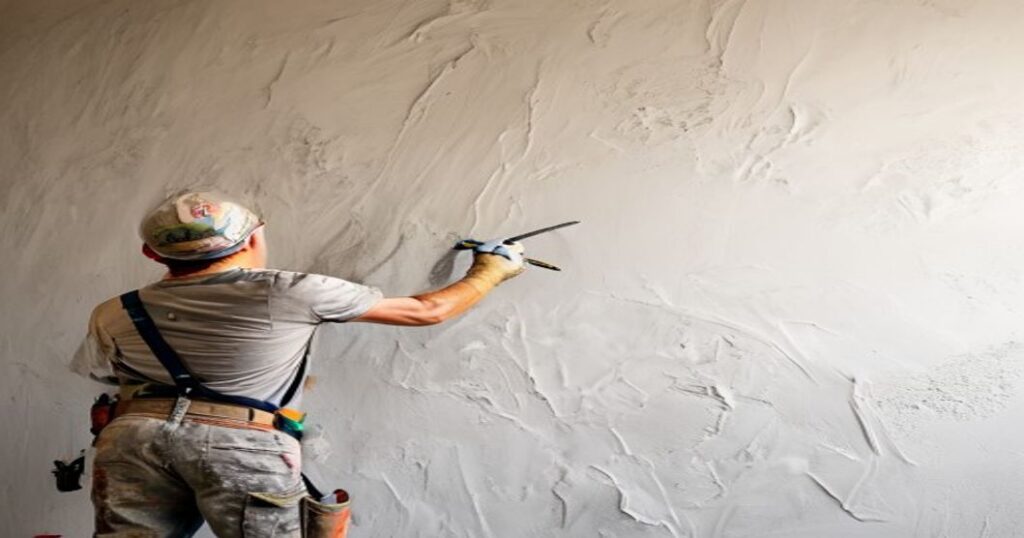
The good news? Most plaster damage — cracks, holes, crumbling sections — is repairable with basic tools and a weekend of work. In my years as a plasterer-painter, I’ve repaired hundreds of plaster walls, and I can tell you that a well-done patch is invisible once painted.
Types of Plaster Damage (and What Causes Them)
Before you grab a trowel, you need to diagnose what you’re dealing with. Different types of damage require different repair approaches.
Hairline Cracks
These thin surface cracks are the most common issue. They’re usually caused by the natural settling of a house over decades or minor temperature fluctuations. Hairline cracks are cosmetic and the easiest to fix.
Structural Cracks
Wider cracks (over 1/4 inch) that run diagonally or in stair-step patterns may indicate foundation movement. Before repairing these, have a structural engineer assess the underlying cause. Patching a structural crack without addressing the root problem means it will return.
Holes and Missing Sections
Impact damage, removed fixtures, or water leaks can leave holes ranging from nail-sized to several square feet. Small holes under 3 inches are straightforward. Larger areas where the plaster has separated from the lath underneath require a more involved process.
Bulging or Loose Plaster
When plaster pulls away from the lath strips behind it, you’ll see bulges or feel the wall flex when pressed. This happens when the plaster “keys” — the mushroom-shaped ridges that grip the lath — break off. This is repairable without full demolition using plaster washers and adhesive.
Tools and Materials You’ll Need
One mistake I see DIYers make constantly is using the wrong patching material. Here’s what actually works, based on the repair type.
| Material | Best For | Set Time | Skill Level |
|---|---|---|---|
| Lightweight spackle | Nail holes, scratches (under 1/8″ deep) | 30 min | Beginner |
| All-purpose joint compound | Cracks, small holes (under 3″) | 4–24 hours | Beginner |
| Setting-type compound (e.g., Durabond) | Deeper fills, base coats for large repairs | 20–90 min | Intermediate |
| Lime-based patching plaster | Large holes, matching original plaster | 60 min | Intermediate |
| Plaster of Paris | Quick fills, emergency patches | 5–15 min | Advanced |
Essential tools:
- 6-inch and 12-inch taping knives (a flexible 6″ for application, a wider one for feathering)
- Utility knife or 5-in-1 painter’s tool
- 220-grit sandpaper or sanding sponge
- Spray bottle with water
- Fiberglass mesh tape (self-adhesive)
- Plaster repair kit for larger jobs
- Drop cloths and dust mask
For a full rundown of essential wall repair tools, check out our Best Drywall Tools Every DIYer Needs guide — most of those tools work equally well on plaster.
Step-by-Step: Repairing Hairline Cracks
This is the repair I do most often, and it’s the best starting point if you’re new to plaster work.
Step 1: Prep the crack. Use a utility knife or the pointed end of a 5-in-1 painter’s tool to widen the crack slightly into a V-shape. This gives the patching compound something to grip. Brush out loose debris with a dry paintbrush.
Step 2: Dampen the area. Mist the crack and surrounding plaster with a spray bottle. Dry plaster pulls moisture out of the compound too fast, causing poor adhesion and cracking. This is a step most YouTube tutorials skip, and it’s one of the biggest reasons DIY patches fail.
Step 3: Apply the compound. Press all-purpose joint compound firmly into the crack with your 6-inch knife, working at a slight angle. Scrape off the excess so the patch sits just slightly proud of the wall surface.
Step 4: Tape if needed. For cracks longer than 6 inches, embed fiberglass mesh tape into a thin bed of compound. Apply a second coat over the tape, feathering the edges 4–6 inches out from the crack.
Step 5: Sand and finish. Once fully dry (check the manufacturer’s instructions — rushing this step is another common mistake), sand with 220-grit paper. Wipe with a damp cloth, prime with a quality low-VOC primer, and paint.
Step-by-Step: Patching Holes in Plaster
Holes require more layers but follow the same basic logic: clean, dampen, fill, smooth.
Small Holes (Under 3 Inches)
1. Remove any loose plaster around the edges. The hole should have solid plaster on all sides.
2. If the lath is intact behind the hole, dampen it with your spray bottle. Apply a base coat of setting-type compound, pushing it through the gaps in the lath to create mechanical keys. Build up to within 1/4 inch of the wall surface.
3. Let the base coat set completely. Apply a finish coat of all-purpose joint compound, feathering the edges 6–8 inches beyond the patch. Two thin coats beat one thick coat — that’s a rule I follow on every single job.
4. Sand smooth with 220-grit, prime, and paint.
Large Holes (Over 3 Inches)
For larger areas, you need to address the backing first.
1. Cut the damaged plaster back to the nearest lath strips using a utility knife. Score the outline first to prevent cracking the surrounding plaster.
2. Inspect the lath. Replace any broken strips with new wood lath or, as I prefer, screw a piece of drywall cut slightly smaller than the opening to the existing lath as a backer.
3. Apply a scratch coat of setting-type compound or lime-based patching plaster. Score this coat with a nail while still wet to help the next layer bond. Let it cure.
4. Apply a brown coat (second layer), building the repair to within 1/8 inch of the surrounding wall. Let it cure.
5. Apply a finish coat of all-purpose joint compound. Feather the edges well beyond the patch — I typically go 8–10 inches out. This gradual transition is what makes a patch disappear.
6. Sand, prime, and paint. For tips on getting a perfect finish, see our guide on How to Prep Walls for Painting.
Reattaching Bulging Plaster (Without Demolition)
This technique saved me hours of demolition work on a 1920s colonial last year. When plaster separates from the lath but is still mostly intact, you can reattach it.
What you need: Plaster washers (also called plaster buttons), 1-5/8″ drywall screws, a drill, and construction adhesive formulated for plaster (Big Wally’s Plaster Magic is the industry standard).
The process:
- Drill small holes through the plaster into the lath in a grid pattern around the bulging area, spaced about 3–4 inches apart.
- Inject construction adhesive through the holes using the provided nozzle. The adhesive fills the gap between plaster and lath.
- Gently press the plaster back against the lath. Secure with plaster washers and drywall screws — tighten just enough to hold the plaster flat without cracking it.
- Wipe away any adhesive that squeezes through the holes. Let it cure for 24 hours.
- Remove the washers (or leave them in place if countersunk), skim coat the screw holes, sand, and paint.
This method costs a fraction of replastering or converting to drywall. According to Angi, professional plaster repair averages $48 per square foot, while a tube of plaster adhesive and a box of washers runs under $30 and can cover an entire wall.
DIY vs. Hiring a Pro: When to Call for Help
I’ll be honest — not every plaster repair is a DIY project. Here’s how I’d break it down.
| Repair Type | DIY? | Est. DIY Cost | Est. Pro Cost |
|---|---|---|---|
| Hairline cracks | Yes | $10–$20 | $150–$300 |
| Small holes (under 3″) | Yes | $15–$30 | $150–$400 |
| Large holes (3″–12″) | Intermediate DIY | $25–$50 | $300–$800 |
| Bulging / loose sections | Yes (with adhesive kit) | $30–$60 | $500–$1,500 |
| Full wall replaster | Hire a pro | N/A | $1,500–$5,000+ |
| Ceiling plaster (overhead work) | Hire a pro | N/A | $2,000–$9,000 |
Ceiling work is genuinely dangerous for amateurs — falling plaster is heavy and the overhead angle makes quality difficult. For a deeper look at when DIY makes sense, read our DIY vs Hiring a Contractor guide.
Common Mistakes That Ruin Plaster Repairs
After years of fixing other people’s failed patches, I’ve seen the same errors over and over:
- Skipping the dampening step. Dry plaster wicks moisture from your compound in minutes, causing shrinkage cracks and poor adhesion. Always mist first.
- Using the wrong material. Regular drywall spackle is too soft and chalky for plaster walls. Use setting-type compound for base coats and all-purpose for finish coats.
- Applying too thick. Multiple thin coats (1/8″ or less each) produce a stronger, smoother result than one thick layer that cracks as it dries.
- Not feathering the edges. If you can see the outline of your patch after painting, you didn’t feather widely enough. Go 6–10 inches beyond the repair.
- Painting before the patch is dry. Joint compound can feel dry on the surface while still wet underneath. Wait the full cure time recommended on the label — typically 24 hours for all-purpose compound.
- Ignoring the primer. Patched areas absorb paint differently than the surrounding wall. A coat of PVA or shellac-based primer seals the patch and prevents flashing. Check our Interior Paint Finishes Guide for more on choosing the right topcoat.
Eco-Friendly Plaster Repair Tips
Since this is GreenBudgetHub, I should mention that plaster repair is inherently one of the greenest home improvement choices you can make. Repairing instead of replacing keeps hundreds of pounds of plaster debris out of landfills.
A few additional ways to keep your repair eco-friendly:
- Choose low-VOC or zero-VOC paints and primers for the finishing step.
- Traditional lime-based plaster is more breathable and less chemically intensive than modern gypsum products. If you’re doing a large repair, consider sourcing lime putty from a specialty supplier.
- Reuse drop cloths and clean tools thoroughly rather than tossing disposable alternatives.
- Leftover joint compound can be sealed and stored for months — don’t throw it away after one use.
If you’re planning a broader renovation, our Green Renovation Planner helps you budget and track eco-friendly home improvement projects from start to finish.
FAQ: How to Repair Plaster Walls
Can I use drywall compound on plaster walls?
Yes. All-purpose joint compound adheres well to plaster and is ideal for finish coats and small repairs. For deeper fills or base coats, use a setting-type compound like Durabond, which is harder and more compatible with the density of original plaster.
How long does a plaster wall repair last?
A properly done repair is permanent. I’ve seen patches I made 10+ years ago that are still invisible. The key factors are proper surface prep, dampening, correct material choice, and adequate drying time between coats.
Is it cheaper to repair plaster or replace with drywall?
Repairing is almost always cheaper. A DIY crack repair costs under $20 in materials, while converting a room from plaster to drywall typically costs $2,000–$5,000 including disposal, according to HomeGuide. Plaster walls also add value to older homes.
Should I use mesh tape or paper tape for plaster cracks?
Fiberglass mesh tape is easier for DIYers because it’s self-adhesive — just press it over the crack and apply compound on top. Paper tape produces a slightly stronger bond and thinner profile, but requires bedding in a layer of wet compound, which takes more skill.
Can I repair plaster walls in a humid bathroom?
Yes, but use a mold-resistant joint compound and finish with a moisture-resistant primer. In bathrooms, consider upgrading to a cement-based backer board if large sections need replacement. For other bathroom project ideas, see our Eco-Friendly Bathroom Upgrades guide.
Get Our Free Green Home Tips
Weekly tips on eco-friendly home improvement, energy savings, and budget-friendly upgrades.
Plaster repair is one of several wall-finishing skills worth mastering before you repaint. For the full picture — drywall, skim coats, textures, and paint selection — see our complete Home Improvement Guide for 2026, with cost ranges and step-by-step DIY tutorials.
Get Your Free Home Renovation Checklist
Join 500+ homeowners saving money on their renovations. Free checklist + weekly tips.