
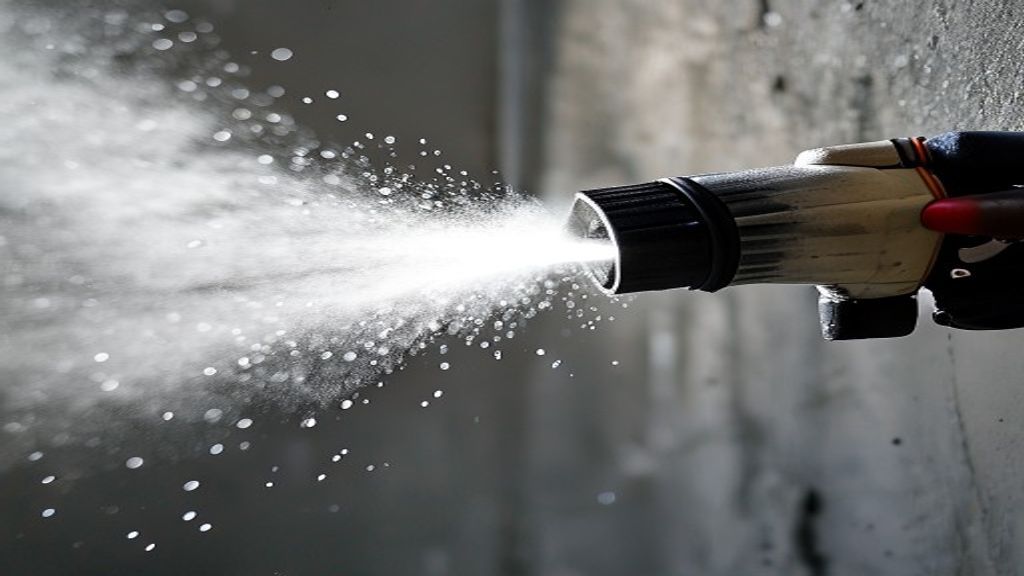
Finding the best paint sprayer can transform a weekend project from a sloppy mess into a professional-quality finish — but only if you pick the right tool for the job. I’ve spent years spraying everything from delicate furniture to full exterior house coats, and the sprayer in your hand makes all the difference.
In this guide, I’ll break down the top 6 paint sprayers of 2026 across airless, HVLP, and handheld categories — with honest pros, cons, and my pro picks for every budget.
Types of Paint Sprayers: Which Is Right for You?
Before diving into specific models, understand what you’re buying:
Airless Paint Sprayers
Airless sprayers use a high-pressure pump to atomize paint through a small tip. They handle thick materials (latex, primer, stains) without thinning and cover large surfaces fast. Best for: exterior walls, fences, ceilings, full room interiors.
HVLP (High Volume Low Pressure) Sprayers
HVLP uses turbine-driven air to atomize paint at low pressure — less overspray, better transfer efficiency. Ideal for: cabinets, furniture, trim, detailed finish work where precision matters.
Handheld / Cordless Sprayers
Battery-powered or plug-in handheld units sacrifice power for portability. Great for: small touch-up jobs, furniture, garden fences, quick coats where setup time would cost more than the task.
🔧 Pro Tip: For most homeowners tackling rooms and exterior work, an airless sprayer is the workhorse. If you do a lot of cabinet or furniture work, invest in a proper HVLP setup — the finish quality is in a different league.
Top 6 Paint Sprayers of 2026
1. Graco Magnum X5 — Best Overall Airless
The Graco Magnum X5 is the gold standard for serious DIYers and entry-level pros. It handles undiluted latex paint straight from the bucket, sprays up to 125 gallons per year, and the adjustable pressure dial gives you real control over output. The stainless steel piston pump is built to last, and it’s compatible with Graco’s full range of RAC IV tips.
- Pressure: Up to 3000 PSI
- Annual use: Up to 125 gallons
- Hose length: 25 ft (expandable to 75 ft)
- Weight: 19 lbs
✅ Pros: No thinning required, adjustable pressure, suctions directly from 1 or 5-gallon buckets, easy cleanup
❌ Cons: Overspray requires masking work, not ideal for detailed finish work
2. Graco Magnum X7 — Best for Heavy Use
Step up from the X5 when you need more power for larger projects. The X7 sprays up to 150 gallons per year and includes a longer 50 ft hose — essential when working on two-story exteriors without moving your unit. The metal housing makes it more durable for professional use.
- Pressure: Up to 3000 PSI
- Annual use: Up to 150 gallons
- Hose length: 50 ft
✅ Pros: Longer hose standard, more durable build, handles thicker coatings
❌ Cons: Heavier, costs more, still not ideal for fine finish work
3. Fuji 2203G Semi-PRO 2 — Best HVLP
If cabinet finishing is your game, the Fuji Semi-PRO 2 is the entry point to professional results. The 2-stage turbine produces consistent airflow without pressure fluctuations, and the gravity-feed gun lets you work at any angle. The non-bleed design prevents paint from dripping when you pause. I’ve used this on kitchen cabinets and the results genuinely rival spray booth work.
- Turbine: 2-stage
- Cup size: 400cc gravity feed
- Pattern: Round and fan (adjustable)
✅ Pros: Professional finish quality, low overspray, consistent pressure, all-angle spraying
❌ Cons: Slower than airless for large areas, requires thinning thicker paints
4. Graco TC Pro HVLP — Best Professional HVLP
For pros who need reliability on job after job, the Graco TC Pro handles thicker materials than most HVLP units without requiring as much thinning. The 3-stage turbine and 25 ft hose give you range and power. I’ve used this for entire room trim packages and it holds up to daily abuse.
- Turbine: 3-stage
- Hose length: 25 ft
- Pressure control: Adjustable at gun
✅ Pros: Handles thicker paints, durable professional build, great for trim and cabinets
❌ Cons: Higher price point, still not for exterior walls
5. Wagner Control Pro 130 — Best Budget Airless
The Wagner Control Pro 130 punches above its price class. It’s a true airless (not an HVLP trying to act like one) with adjustable pressure and a 20 ft hose. For occasional users who don’t need pro-grade volume, this covers fences, sheds, garden walls, and even interior rooms efficiently.
- Pressure: Up to 2800 PSI
- Hose length: 20 ft
- Weight: 14 lbs
✅ Pros: Affordable entry to real airless performance, lightweight, easy setup
❌ Cons: Less annual capacity than Graco models, shorter hose, noisier
6. HomeRight C800971 Finish Max — Best Handheld HVLP
For small-scale projects, furniture flips, or quick touch-ups, the HomeRight Finish Max is the sprayer you keep in the cupboard. It’s lightweight, easy to clean, and produces decent finish quality for the price. Don’t expect it to tackle a full room — but for a bookcase or garden furniture, it’s perfect.
- Type: Handheld HVLP
- Cup size: 27 oz
- Pattern: Horizontal, vertical, circular
✅ Pros: Very affordable, portable, easy cleanup, good for small projects
❌ Cons: Not for thick paints, small cup requires refilling often, limited for large areas
🔧 Pro Tip: When spraying latex paint with an airless, always strain your paint through a fine mesh before pouring it in. Even a small clump can clog a tip mid-wall — and unclogging a clogged tip kills your rhythm every time.
Paint Sprayer Comparison Table
| Model | Type | Best For | Pressure | Price Range |
|---|---|---|---|---|
| Graco Magnum X5 | Airless | Large surfaces, exteriors | 3000 PSI | $$ |
| Graco Magnum X7 | Airless | Heavy use, 2-story exteriors | 3000 PSI | $$$ |
| Fuji Semi-PRO 2 | HVLP | Cabinets, furniture, trim | Turbine | $$$ |
| Graco TC Pro | HVLP | Professional trim/cabinets | Turbine | $$$$ |
| Wagner Control Pro 130 | Airless | Budget exteriors/fences | 2800 PSI | $ |
| HomeRight Finish Max | Handheld HVLP | Small items, furniture | Low | $ |
Which Paint Sprayer for Which Job?
- Painting a whole room (walls + ceiling): Graco Magnum X5 or X7
- Exterior house painting: Graco Magnum X7 (50 ft hose is essential)
- Kitchen cabinet refinishing: Fuji Semi-PRO 2 or Graco TC Pro
- Fences, decks, garden sheds: Wagner Control Pro 130
- Furniture, small decor items: HomeRight Finish Max
- Primer coats (thick material): Any airless sprayer
Essential Cleaning Tips
The single most important factor in the lifespan of your sprayer isn’t brand — it’s how well you clean it after every single use. Follow these steps religiously:
Airless Sprayer Cleaning
- Release pressure and engage the prime/spray valve
- Remove tip and guard, clean separately with solvent or water depending on paint type
- Fill cup or intake with clean water (latex) or mineral spirits (oil-based)
- Spray through until clean fluid runs clear
- Run a final flush with clean water or solvent
- Remove and inspect all filters — rinse and dry before reassembly
HVLP Sprayer Cleaning
- Empty cup, rinse with appropriate solvent
- Fill cup 1/4 with clean solvent, spray through gun to clear passages
- Disassemble needle, nozzle, and air cap — clean individually
- Use a soft brush for dried residue (never metal tools on nozzle seats)
- Dry fully before storage
🔧 Pro Tip: Never let paint dry inside your sprayer. If you’re taking a 30-minute lunch break, run 10 seconds of clean water or solvent through the gun before you stop. Dried latex paint in the tip seat is the #1 cause of airless pump failures — and replacements aren’t cheap.
Safety: What Most Guides Skip
Paint sprayers produce fine mist that hangs in the air — your lungs and eyes are at real risk without protection:
- Always wear a respirator (not just a dust mask) — a half-face respirator with organic vapor cartridges for oil-based, P100 filter for latex
- Eye protection: Goggles, not safety glasses — mist travels
- Ventilation: Open windows and run a fan when spraying indoors
- Mask everything you don’t want painted — overspray travels further than you think
- Airless tip pressure: Never point at skin — 3000 PSI can inject paint into tissue
Internal Links for Further Reading
Ready to spray? Make sure you’ve got the right paint for the job first — check our best interior paints of 2026 guide. If you’re painting a full room, our step-by-step room painting guide walks you through prep, technique, and finishing. And if this is part of a bigger renovation, browse our complete Home Improvement Guide 2026.
Frequently Asked Questions
Can I use a paint sprayer indoors?
Yes, but you need proper ventilation and full masking of floors, furniture, and trim. Airless sprayers produce significant overspray — HVLP sprayers are better for indoor finish work where containment matters.
Do I need to thin paint before using a sprayer?
For airless sprayers: generally no for latex paint — modern units pull straight from the can. For HVLP sprayers, most latex paints need 10–15% thinning for proper atomization. Always check your sprayer’s manual and test on cardboard first.
How far should I hold a paint sprayer from the surface?
For airless sprayers, 12–18 inches is the standard range. For HVLP, 6–8 inches. Always maintain a consistent distance and keep the gun perpendicular to the surface — angling causes uneven coats.
How do I unclog a paint sprayer tip?
Most modern airless tips are reversible — twist 180°, spray briefly into a rag to clear the clog, then reverse back to spray position. For persistent clogs, soak the tip in solvent. Never use metal objects to clear a spray tip — you’ll damage the orifice and ruin the spray pattern.
About the Author: GBH Team brings hands-on experience from years of professional painting and plastering work. Our home improvement guides are written from real job-site experience — not spec sheets.
For walls that need more prep work before painting — like skim coating or drywall repairs — check our drywall crack repair guide and how to skim coat walls before you pick up the sprayer.
Masking and Surface Preparation Before Spraying
A paint sprayer is only as good as the prep work beneath it. Spraying over dirty or unprepared surfaces causes adhesion failures, peeling, and an uneven finish that no amount of spraying technique will fix.
Surface Prep Checklist
- Clean the surface: Remove dust, grease, and loose paint. Glossy surfaces need light sanding (120-grit) or a bonding primer to give the new coat something to grip.
- Repair cracks and holes first: Fill and sand all imperfections before painting. A sprayer amplifies surface texture rather than hiding it.
- Prime bare surfaces: New drywall, bare wood, and repaired areas need primer before topcoat. Without it, the topcoat absorbs unevenly and leaves a patchy finish.
- Mask everything you do not want painted: Windows, trim, outlets, floors. Airless overspray drifts further than you expect — a light mist can travel 10 to 15 feet from the spray zone.
Thinning for Sprayer Compatibility
Even though airless sprayers handle undiluted latex, you may need to thin paint slightly in cold conditions (under 15C/60F) where viscosity increases. Add no more than 10% water to latex paint, stir thoroughly, and always strain before pouring into your sprayer. For oil-based paints, use mineral spirits per the manufacturer recommendation.
Test Spray Before You Start
Always run a test pass on cardboard or scrap material before hitting the wall. Check spray pattern width and consistency, adjust pressure until you get an even oval fan with no heavy center stripe, and confirm tip direction (vertical fan for horizontal passes, horizontal fan for vertical passes). Thirty seconds of testing saves you from repainting a botched section.
Get Your Free Home Renovation Checklist
Join 500+ homeowners saving money on their renovations. Free checklist + weekly tips.